
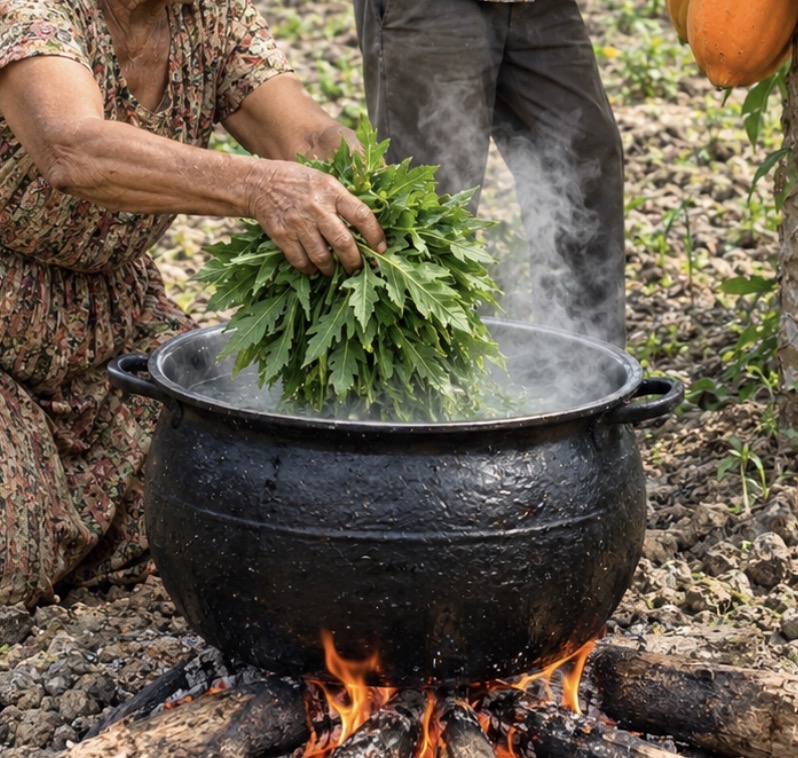
Papaya leaves have been used traditionally in different tropical communities as a simple herbal preparation. A common method involves washing fresh papaya leaves, simmering them in water, and drinking the resulting bitter herbal tea. While this preparation has attracted attention because of traditional uses, it should not be presented as a cure for diseases or as a replacement for professional healthcare.
To prepare papaya leaf tea, start with two or three fresh papaya leaves. Choose leaves that are clean, fresh, and free from visible mold, insects, or chemical residue. Wash them thoroughly under clean running water to remove dirt and other impurities. After washing, place the leaves on a clean surface and cut them into smaller pieces.
Add the chopped leaves to a pot containing approximately four cups of clean water. Bring the water to a boil, then reduce the heat and allow the leaves to simmer gently for about 25 to 30 minutes. As the leaves cook, the water will gradually become darker and develop a strong herbal aroma.
After simmering, turn off the heat and allow the preparation to cool slightly. Strain the liquid carefully through a clean strainer to remove the leaves and plant material. The resulting drink can be served warm or allowed to cool before drinking. Because papaya leaves naturally have a very bitter flavor, some people may find the taste strong.
The preparation circulating online often suggests drinking one glass in the morning and another in the evening for seven days. However, there is no universally established dosage or seven-day treatment schedule for papaya leaf tea, and people should be cautious about treating internet recipes as medical prescriptions.
Papaya leaves contain a variety of naturally occurring plant compounds, which is why they have attracted interest in traditional medicine and scientific research. Nevertheless, traditional use and laboratory findings do not automatically mean that a preparation can prevent or cure serious illnesses. Conditions such as diabetes, high blood pressure, liver disease, kidney disease, infections, blood disorders, and other chronic health problems require appropriate medical evaluation and, when necessary, evidence-based treatment.
It is particularly important not to rely on papaya leaf tea when someone has serious symptoms such as persistent fever, severe abdominal pain, repeated vomiting, unusual bleeding, extreme weakness, difficulty breathing, confusion, or signs of dehydration. These symptoms can require urgent medical attention, and delaying healthcare in favor of an herbal remedy can be dangerous.
Anyone who takes prescription medication should also be cautious before regularly consuming concentrated herbal preparations. People who are pregnant or breastfeeding, young children, older adults, and individuals with chronic medical conditions should consult a qualified healthcare professional before using herbal remedies regularly.
For those interested in traditional herbal drinks, papaya leaf tea can be prepared simply by washing the leaves, chopping them, simmering them in water for approximately 25 to 30 minutes, and straining the liquid before serving. The most important point is to understand the difference between a traditional home preparation and a clinically proven treatment. Good healthcare combines healthy nutrition, adequate hydration, appropriate preventive care, medical checkups when necessary, and evidence-based treatment rather than depending on a single natural remedy.