
How to Clean and Devein Shrimp: The Easy Step-by-Step Guide
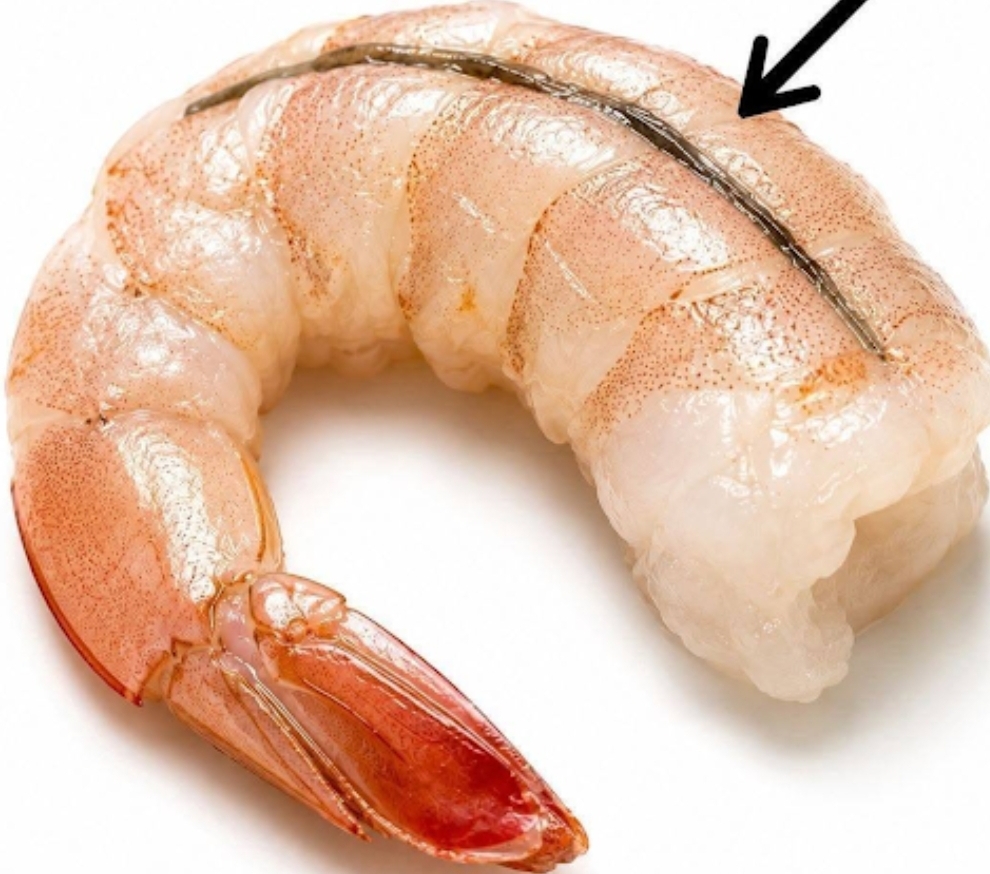
If you’ve ever prepared shrimp at home, you’ve probably noticed the dark line running along the curved back. Many people call it the shrimp “vein,” and it is one of the most talked-about details when it comes to preparing seafood.
So, what exactly is that dark line, and do you really need to remove it?
The answer is a little more interesting than you might expect. The line is actually part of the shrimp’s digestive tract. Depending on the shrimp and where it was harvested, it may contain digested material, sand, or grit. While eating a shrimp with the vein left intact is not necessarily dangerous when the shrimp has been properly handled and thoroughly cooked, many cooks prefer to remove it for a cleaner appearance and better eating experience.
The good news is that cleaning and deveining shrimp at home is quick and easy. With a small paring knife, toothpick, or your fingers, you can prepare shrimp for pasta, stir-fries, seafood boils, grilled shrimp, shrimp tacos, and countless other recipes.
What Is the Dark Line on the Back of a Shrimp?
The dark line along the back of a shrimp is commonly called the vein, but it isn’t actually a blood vessel.
It is the shrimp’s digestive tract, sometimes called the intestinal tract. Because it is located along the back of the shrimp, it can appear as a thin dark, gray, brown, or nearly black line.
The appearance varies depending on the shrimp. Some shrimp have a very noticeable dark tract, while others have one that is barely visible.
The contents can include partially digested food and other material from the shrimp’s digestive system. In some cases, sand or grit may also be present.
This is why many cooks choose to remove it before cooking.
Why Do People Devein Shrimp?
Deveining shrimp is primarily about cleanliness, texture, appearance, and personal preference.
1. It Can Remove Sand and Grit
One of the biggest reasons people devein shrimp is to avoid an unpleasant gritty texture. If the digestive tract contains sand or other debris, removing it can make the shrimp more enjoyable to eat.
2. It Creates a Cleaner Appearance
Deveined shrimp generally look more polished and appealing, especially when served at a dinner party or used in recipes where the shrimp is highly visible.
This can make a noticeable difference in dishes such as shrimp cocktails, grilled shrimp, shrimp scampi, and seafood platters.
3. It Can Improve the Eating Experience
Some people notice a slightly bitter, muddy, or unpleasant flavor when the digestive tract is left intact. Removing it can give the shrimp a cleaner taste.
4. It Is a Common Cooking Practice
Professional cooks and home chefs often devein shrimp as part of seafood preparation. It is a simple extra step that can make the finished dish more appealing.
Is Deveining Shrimp Necessary?
Not always.
The decision to devein shrimp is largely a matter of preference and the condition of the shrimp. Very small shrimp may have a digestive tract that is difficult to see, while larger shrimp often have a more noticeable line.
If you’re preparing large shrimp or prawns for a special meal, many cooks prefer to remove the digestive tract because it is easy to see and remove.
The most important food-safety step is proper handling and thorough cooking. Deveining itself should not be treated as a substitute for safe seafood storage, preparation, or cooking.
How to Clean Shrimp at Home
Cleaning shrimp is easier than it first appears. Once you’ve done it a few times, the process becomes quick and routine.
Step 1: Remove the Shell
If your shrimp still have their shells, begin by removing the legs and outer shell.
Start from the underside and gently pull away the shell. Depending on the recipe, you can leave the tail attached for presentation or remove it completely.
For shrimp cocktails, appetizers, and certain grilled shrimp recipes, leaving the tail intact can make the finished dish easier to hold and more attractive.
Step 2: Make a Shallow Cut
Place the shrimp on a clean cutting surface with the curved back facing upward.
Use a small, sharp paring knife to make a shallow slit along the back of the shrimp.
You do not need to cut deeply. The goal is simply to expose the dark digestive tract underneath the surface.
Step 3: Remove the Dark Tract
Use the tip of your knife to gently lift the dark line.
You can also use a toothpick to get underneath it and pull it out.
If the tract is easy to grasp, your fingers can also work. Take your time so you don’t tear the shrimp unnecessarily.
Step 4: Rinse the Shrimp
Once the digestive tract has been removed, rinse the shrimp under cold running water if needed to remove any remaining debris.
Avoid unnecessarily washing raw seafood around your kitchen, since splashing can spread bacteria to nearby surfaces.
Pat the shrimp dry with clean paper towels before cooking.
The Best Tool for Deveining Shrimp
You don’t need special equipment to devein shrimp.
A small paring knife is usually enough. Its narrow blade makes it easier to make a shallow cut without damaging the shrimp.
A toothpick can also be useful for lifting the digestive tract after the shell has been removed.
For people who prepare large quantities of shrimp regularly, specialized shrimp deveining tools are available, but they aren’t necessary for most home cooks.
Peeling vs. Deveining Shrimp
These two steps are often confused, but they are different.
Peeling means removing the outer shell and legs.
Deveining means removing the digestive tract from along the back of the shrimp.
You can peel shrimp without deveining them, and you can sometimes devein shrimp while leaving the shell partially intact.
Which method you choose depends on the recipe and how you want the shrimp to look when served.
Should You Leave the Tail On?
That depends on the dish.
Leaving the tail attached can make shrimp look more attractive on a serving platter and can provide a convenient place to hold the shrimp when eating appetizers.
For recipes such as shrimp pasta, shrimp fried rice, or soups, many cooks prefer removing the tail so the shrimp is easier to eat.
There is no single correct choice. Think about how the shrimp will be served and choose the preparation that makes the most sense for your recipe.
Tips for Perfect Shrimp Preparation
Work With Cold Shrimp
Keep raw shrimp refrigerated until you’re ready to prepare it. Working with chilled seafood can also make peeling and handling easier.
Use a Sharp Knife
A sharp paring knife allows you to make a controlled, shallow cut without crushing the delicate shrimp.
Don’t Cut Too Deep
You only need to expose the digestive tract. A deep cut can split the shrimp and affect its appearance during cooking.
Remove Visible Grit
If you see sand or debris, carefully remove it and rinse the shrimp as needed.
Dry Before Cooking
Pat cleaned shrimp dry before sautéing, grilling, roasting, or frying. Excess surface moisture can interfere with browning.
Avoid Cross-Contamination
Use a clean cutting board and utensils for raw seafood. Wash your hands, tools, and work surfaces thoroughly after handling raw shrimp.
Does Deveining Make Shrimp Taste Better?
For many people, yes.
Removing the digestive tract can eliminate potential grit and any unpleasant flavors associated with its contents. However, the difference isn’t always noticeable, especially with small, clean shrimp.
The biggest benefit is often the texture and appearance. Properly cleaned shrimp look neat and are less likely to contain an unexpected gritty bite.
Shrimp Preparation: The Two Main Categories
When preparing shrimp, it helps to think about the process in two simple categories.
Anatomy & Flavor Impact
The digestive tract runs along the back of the shrimp and may contain digested material or grit.
Removing it can help provide:
- A cleaner appearance
- Less chance of gritty texture
- A more pleasant eating experience
- A cleaner overall presentation
Cleaning Technique
The practical preparation process involves:
- Removing the shell if desired
- Making a shallow slit along the back
- Lifting out the digestive tract
- Removing visible debris
- Rinsing when appropriate
- Patting the shrimp dry before cooking
Once you’ve mastered these steps, cleaning shrimp becomes a simple part of your normal seafood preparation routine.
Frequently Asked Questions
Do you have to devein shrimp?
No. Deveining is generally a matter of preference, particularly when the shrimp is properly handled and cooked. Many cooks choose to do it because it removes the digestive tract and can improve the appearance and texture.
Is the black line in shrimp poop?
The dark line is the shrimp’s digestive tract, and it can contain partially digested material. This is why it is commonly removed during preparation.
Is it safe to eat shrimp that has not been deveined?
Properly handled and thoroughly cooked shrimp can be eaten with the digestive tract intact. However, many people prefer to remove it, particularly when preparing larger shrimp.
What is the easiest way to devein shrimp?
Make a shallow cut along the curved back of the shrimp with a small paring knife, lift out the dark tract with the knife tip or a toothpick, and remove it carefully.
Should I rinse shrimp after deveining?
If you need to remove visible debris, a brief cold-water rinse can help. However, raw seafood should be handled carefully to prevent splashing and cross-contamination around the kitchen. Pat the shrimp dry before cooking.
What Can You Make With Cleaned Shrimp?
Once your shrimp are peeled and deveined, they’re ready for countless easy seafood recipes.
Try them in:
- Garlic butter shrimp
- Shrimp scampi
- Shrimp tacos
- Shrimp pasta
- Shrimp fried rice
- Grilled shrimp
- Shrimp stir-fry
- Shrimp Alfredo
- Cajun shrimp
- Shrimp skewers
- Seafood boils
- Shrimp cocktail
Having cleaned shrimp ready to cook can also make quick dinner preparation much easier on busy weeknights.
Final Thoughts
The dark line on the back of a shrimp may look mysterious, but cleaning it is actually very simple. Once you understand that it is the shrimp’s digestive tract, the reason many cooks remove it becomes clear.
A shallow cut, a small knife or toothpick, and a little patience are usually all you need. Whether you’re preparing shrimp for a quick dinner, a summer cookout, a seafood boil, or an elegant dinner party, properly cleaned shrimp can give your dish a cleaner appearance and more enjoyable texture.
And once you’ve learned how to do it, you’ll probably find that peeling and deveining shrimp takes only a few extra minutes.